

Wood Burning Vs Electric Stove
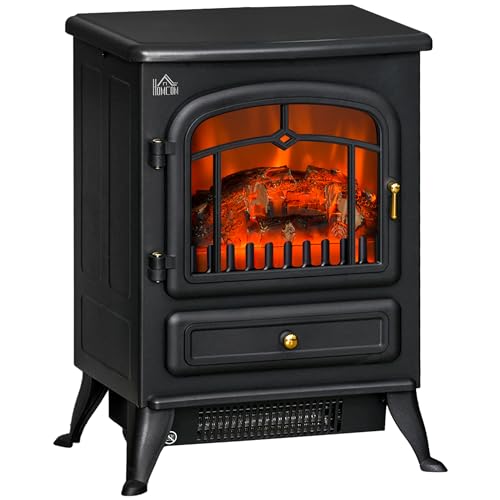
Electric stoves are a great choice if you want the look of a fire, but you're worried about the high cost. But, it's crucial to verify the heating area rating.
Electric log burners do not require costly chimneys or flues. They only need a standard electrical outlet to operate.
Efficient Heating
When heating your home, the choice between wood burners and electric stoves can have a major impact on your carbon footprint, energy consumption, and overall home efficiency. This blog post will discuss the advantages and disadvantages of both options, empowering you to make an informed decision customized to your personal requirements.
In terms of cost-efficiency, it's hard to beat the price-per-hour efficiency of an electric stove. The most efficient models turn all the energy used to heat your home into warmth, while traditional wood stoves only achieve an average of 89-90%. This means that over time, you could save a substantial amount of money by switching to an electric wood burning stove.
Electric stoves are safer than traditional stoves because they don't rely on wood or other fuels. Electric stoves don't produce smoke or ash, and will shut down automatically if they are overheated. Electric stoves are therefore the ideal choice for homes with young children or elderly relatives.
Another benefit of using an electric stove is its ease of use. It can be operated by remote control and switched on by the touch of the button, as long as it is in a secure location and has reliable mains electricity.
Wood stoves however require a chimney that is functioning and a designated storage area for logs. Additionally, they require a regular supply of wood to fuel them, which can be a hassle for those who don't have a lot of space or are unable to chop and store their own wood.
You can also select a pellet stove that has an auger motorized for heat regulation as well as a hot-surface ignitor for lighting the pellets. They are extremely efficient and emit only a small amount of emissions, making them an excellent option for eco-conscious homeowners.
If you're considering installing an electric fireplace in your home, it's crucial to select a reliable brand. There are a lot of inexpensive and basic electric stoves available however, they tend to lack heating efficiency and mediocre flame effects. Make sure to stick with the most well-known brands like Dimplex or Gazco and you'll find an electric wood stove with beautiful 3D ember bed lighting, immersive flame effects, and awe-inspiring realism.
Aesthetics
Nothing quite compares to the classic look and smell of a wood burning stove. Whether you're looking for an upgrade to a rustic woodland cabin or a sleek prefab home, a genuine wood stove provides the perfect finishing finish. If it's all about the heat and you don't mind abstaining from the crackle of flames, there are plenty of alternatives out there that will deliver a serious amount of warmth to your home.
Gas fires are a popular alternative to traditional log burners. They are also one of the most efficient heating solutions. About 70% of the organic material they burn is transformed directly into heat. Cleanburning technology reduces harmful gases and particles. They can also be equipped with a fan to increase their performance even more.
They are easy to install (they connect directly to your mains power supply) They do not require a chimney and are maintenance-free, making them a cost-effective choice in addition. They are also the most versatile option, able to be placed in nearly any space as long as you have adequate ventilation.
If you want to go a step further in creating a truly authentic log fire check out Stovax's collection of contemporary wood stoves. These designs have transcended their utilitarian roots to become works of functional art that elevate the ambience of any living space. They do this while adhering to the principles of efficiency and sustainability.
They offer a variety of sizes and stunningly realistic wood effect fires. The latest versions feature innovative fuel effect technology that includes logs that have a spectrum or color uplighting. If Best electric stoves not convinced, most of their models come with a fireplace mantel which is affixed to flat walls to create the appearance of an actual wood stove.
Installation
A wood stove needs a flue to direct the gases and smoke created by burning wood away from your home. Installing a chimney or flue can be expensive in the absence of one. This is why many homeowners choose to go with an electric stove.
It is possible to set up an electric wood stove by yourself, but hiring an expert is recommended. A professional can make sure that the installation is done properly and that it's in compliance with the local safety standards. They can also help you select the ideal stove for your budget and space.
You must choose carefully the best location for your electric wood stove, and then move it there. It is crucial to be careful when handling these units because they are typically heavy. A dolly or hand truck that is designed to support the weight of the unit should be used. If there isn't a nearby power outlet, you can utilize a cord of high-quality that will meet the electrical requirements of the unit.
Before plugging into your electric log burner, make sure to follow the manufacturer's guidelines. Some units require a specific kind of wall bracket to ensure stability and safety. Verify that the bracket isn't posing any danger of tripping and is secured.
Electric log burners don't require a chimney to ventilate. It is still essential to shield the floor from fire, such as using a hearth board or stove board. Additionally the stove should be positioned at least 16" away from any surface that is combustible.
It is recommended to install an alarm for carbon monoxide within your home. This will help reduce the risk of carbonmonoxide poisoning. It will alert you when CO levels in your home are at unsafe levels, protecting your family's well-being and health. In addition, it is a good idea to have your wood stove and chimney inspected annually by a trained technician. This will avoid dangerous accumulations of the odourless, toxic gas and will extend your stove's life.
Maintenance
Log burners can provide an atmosphere of warmth and traditional comfort to any home. However, they need some maintenance to ensure that they operate at peak performance. This is a regular cleaning and inspection of the chimney. Investing time in these tasks will ensure that your stove is operating safely and in a safe manner for your family.
Wood stove glass may need to be replaced when it begins to discolor because of repeated use over the course of time. The process of replacing it is generally straightforward and involves uncrewing the door's bottom and using a screwdriver with a flat head to secure the door pin and then pulling out slowly. It is important that you tighten the fasteners without tightening them too tightly so that the glass doesn't expand when heated.
It is also recommended to keep the baffle plate clean. This will stop the buildup of soot and ensure that the chimney vents are operating properly, reducing the possibility of smoke damage or an igniting fire in the chimney. It is also important to keep the fire from being starved of oxygen, which will reduce the efficiency of your stove and lead to more creosote buildup. It is advisable to use dry or seasoned firewood, and to have the chimney inspected by an expert on a regular basis.
The catalytic combustor is at the heart of your electric wood stove, and it can begin to deteriorate in time if it is not maintained correctly. It can be checked without taking the stove apart, and the owner's manual gives guidelines for inspection and cleaning. The combustor is expected to last for approximately six years or 12,000 hours. If the combustor begins to malfunction it should be replaced.
The maintenance of your wood stove in good shape is essential to protect the environment and your health. A poorly-maintained wood stove can be a fire hazard, which can lead to an explosion in the chimney and smoke damage, as well as structural damage. To minimize the risk ensure that the area around your stove clear of clutter and ensure you are checking your smoke detectors on a regular basis. They can be life-saving in the event of a house fire, so it is critical to make sure they're working correctly. Also, you should test your fire extinguisher on a regular basis and put it in a central area of your home.